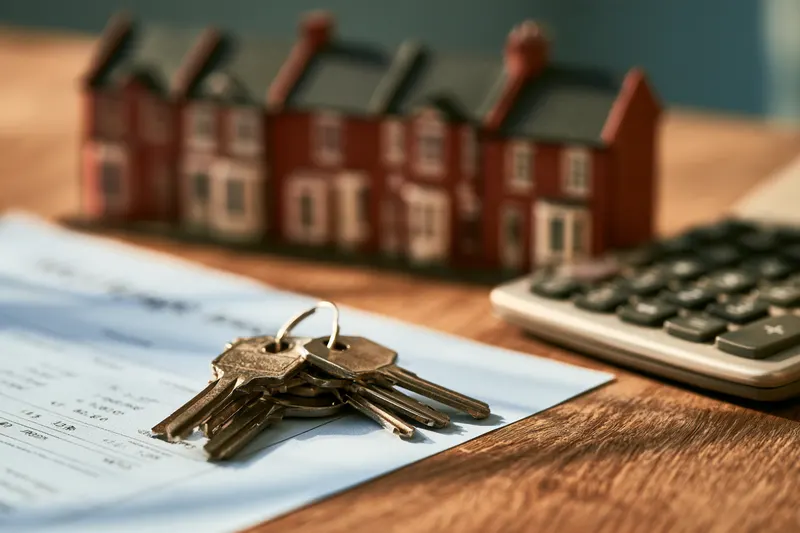
If buying a property means you will own more than one home, you will usually pay the higher rates of Stamp Duty Land Tax: 5 percentage points above the standard rates in every band, according to HMRC. On a £300,000 buy-to-let bought since 1 April 2025, that comes to £20,000. These rules apply in England and Northern Ireland.
The rates for an additional property
The higher rates apply to residential property costing £40,000 or more. They are worked out band by band, like the standard rates, and can apply even if you plan to live in the new property, because HMRC also looks at what your spouse or civil partner owns.
Stamp Duty Land Tax bands, England and Northern Ireland
| Price band | Main home (only property) | Additional property |
|---|---|---|
| Up to £125,000 | 0% | 5% |
| £125,001 to £250,000 | 2% | 7% |
| £250,001 to £925,000 | 5% | 10% |
| £925,001 to £1.5 million | 10% | 15% |
| Above £1.5 million | 12% | 17% |
A worked example
HMRC’s own example uses an additional property bought for £300,000 on 1 April 2025. The first £125,000 is taxed at 5%, the next £125,000 at 7% and the remaining £50,000 at 10%, for a total of £20,000.
Higher rates on a £300,000 buy-to-let
That sum is cash you need at completion, on top of the deposit described in our guide to buy-to-let deposits and LTV. It does not count towards the lender’s rental test, but it does affect your return, so include it before you compare rent with costs in our stress test guide.
Companies and non-UK residents
Companies buying residential property for £40,000 or more pay the higher rates unless the property is subject to a lease with more than 21 years left. Above £500,000, a flat 17% rate for corporate bodies may apply instead. Transferring a property you already own into a company you control is charged on at least its market value, under HMRC’s connected company rule. Non-UK residents pay a further 2% surcharge on top of all other residential rates. If you are weighing a company structure, model the stamp duty on day one as carefully as the income tax you might save later.
When you can claim the extra back
If you buy a new main home before selling the old one, you pay the higher rates at first. You can then claim a refund of the extra if you sell or give away your previous main home within 3 years. The claim must be made within 12 months of the later of the sale or the filing date of the new property’s return. No refund is possible if you or your spouse keep any part of the old home.
Scotland and Wales
Stamp Duty Land Tax does not apply in Scotland or Wales, which have their own property taxes and their own supplements for additional homes. Check Revenue Scotland or the Welsh Revenue Authority before you budget. Once the purchase completes, the next step is compliance: our landlord obligations guide covers deposits, EPCs and safety checks. This is general information, not tax advice.
Before you exchange contracts
- Check whether you or your spouse own any other residential property
- Work out the higher rates band by band
- Add the 2% surcharge if you are not UK resident
- Ask your conveyancer about refund eligibility
- Diary the 3-year sale deadline if you are replacing a main home
Frequently asked questions
Do I pay the surcharge on a buy-to-let under £40,000?
No. HMRC says the higher rates apply to residential property costing £40,000 or more.
Does buying through a limited company avoid the surcharge?
No. Companies pay the higher rates on residential property of £40,000 or more, and above £500,000 the 17% corporate rate may apply.
I bought a new home before selling my old one. Can I get the extra back?
Yes, if you sell or give away your previous main home within 3 years and claim within the time limit, usually 12 months after the sale or the filing date, whichever is later.
Add five points to every stamp duty band for an additional property: £20,000 on £300,000. If you are replacing your main home, claim the extra back after selling within 3 years.
Sources
- Stamp Duty Land Tax: buying an additional residential property — GOV.UK / HMRC (updated 1 April 2025): higher rates, £40,000 threshold, refunds.
- Stamp Duty Land Tax: residential property rates — GOV.UK: standard bands and the 5% higher rates.
- SDLTM30220: Companies: deemed market value (FA03/S53) — HMRC manual: transfers to a connected company are charged on at least market value.